

Recently, social media was shaken by news that former athlete and popular TikToker L.P had her private videos leaked. Instead of staying silent or locking her account, she boldly went live to face the public. She confirmed she was a victim of illegal hacking and promised to cooperate with authorities to expose and punish those responsible.
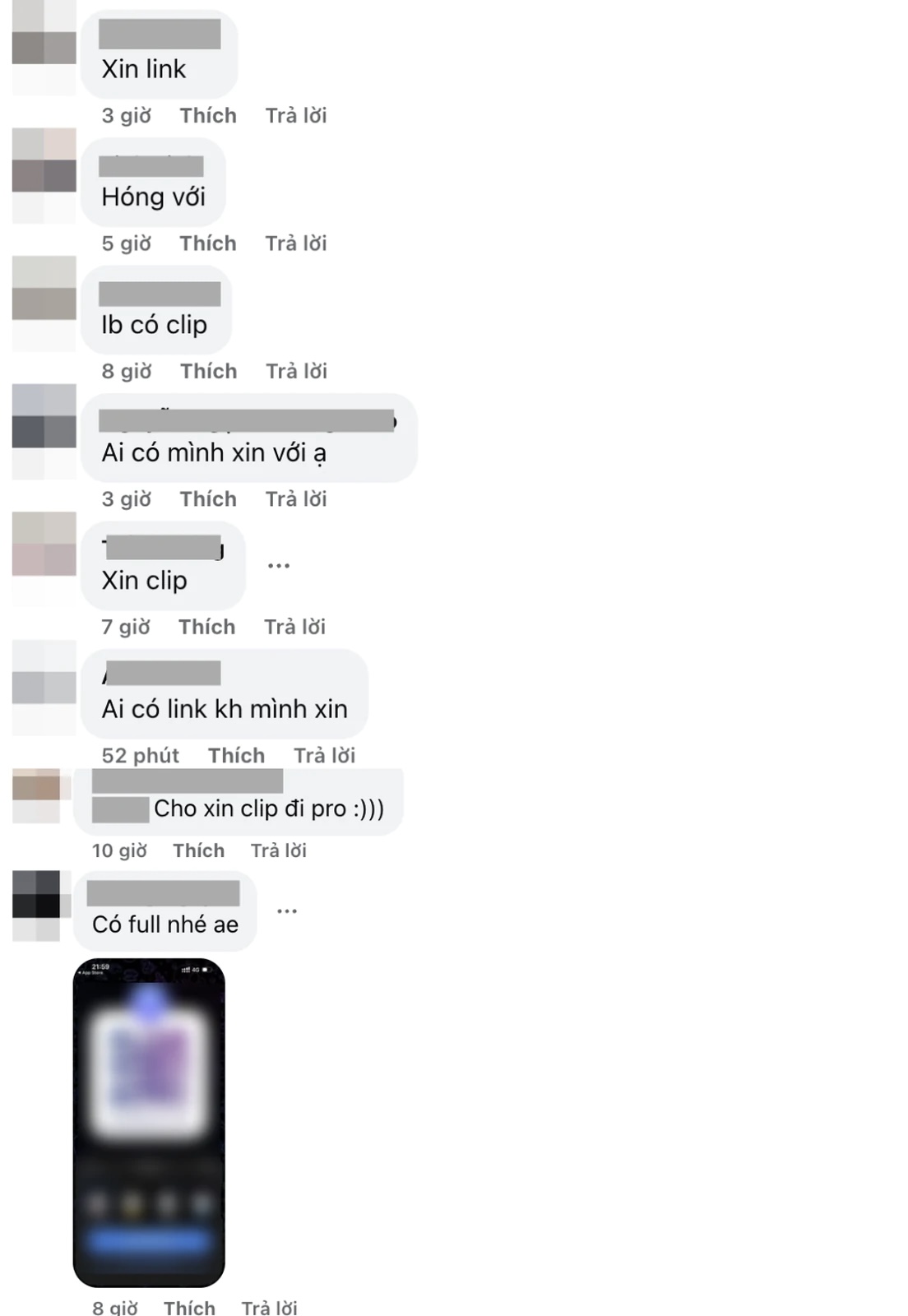
Her strong response grabbed huge attention and sparked a widespread online discussion. This time, beyond the usual “send link” jokes, a wave of anger and harsh condemnation of the hackers and leakers rose up. Many also immediately recalled the similar case of influencer T.H.L from before.
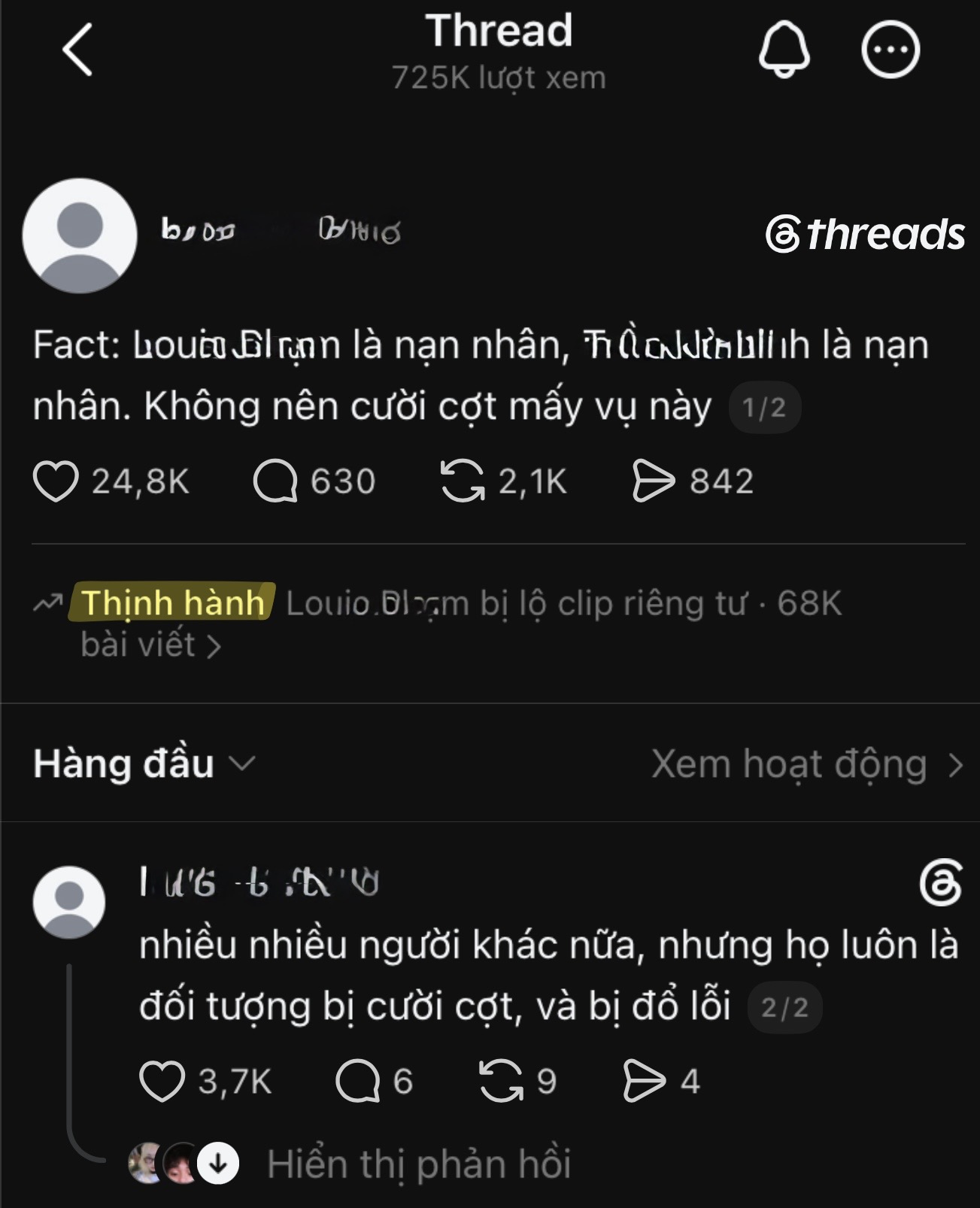
Both women, though at different times, suffered serious harm after having their privacy stolen. This story serves as a wake-up call: it’s time for the online community to stop mocking and judging others’ pain.
Victim Strength and Rising Outrage Against Cybercrime
During a late-night livestream on July 11, L.P appeared calm and composed. She said she had known about the clip for years and was mentally prepared for the worst. The 2003-born TikToker stressed she did nothing wrong or immoral, as the videos were private moments shared in love.
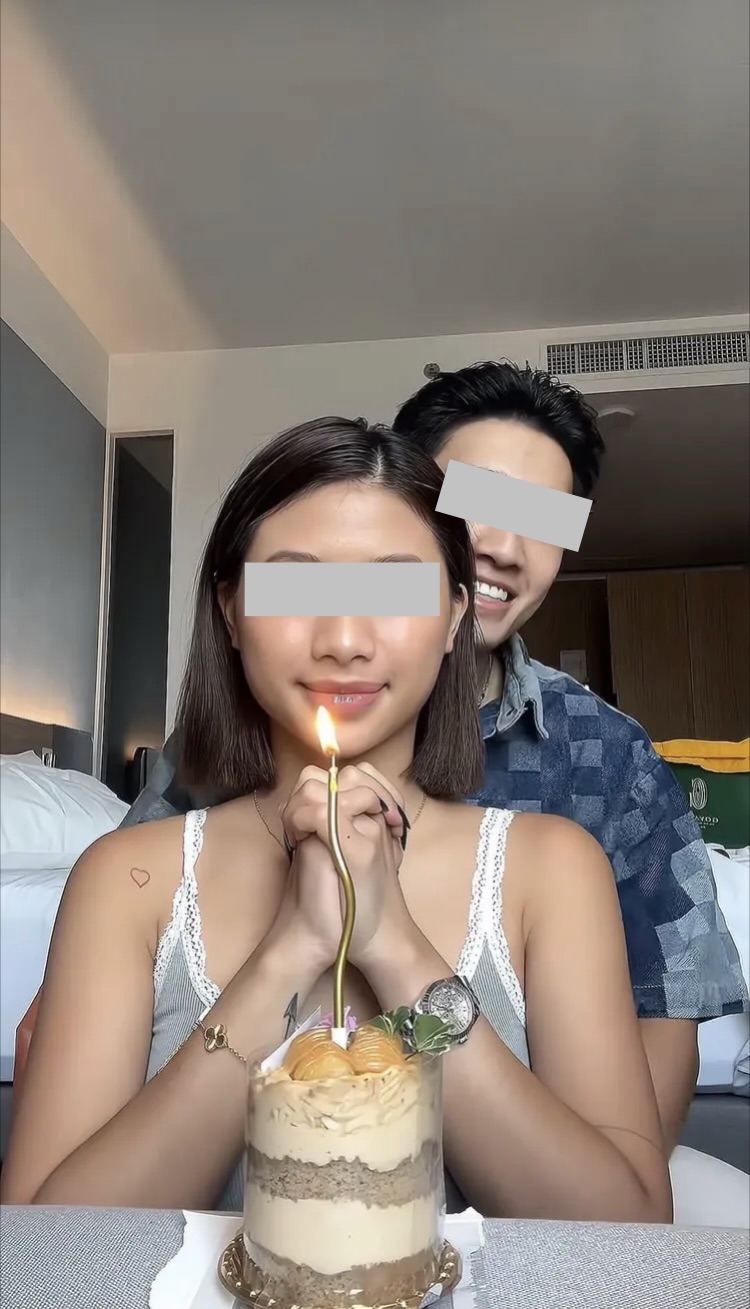
L.P’s honesty and determination shifted public opinion significantly. Across forums and groups, instead of tolerating wrongdoing, most netizens united to condemn the criminals and their invasion of privacy.
Hacking personal accounts, iClouds, or stealing phone data is a serious crime. Many analyses highlight that exposing someone’s private life online is a form of “cyber violence” with devastating effects.
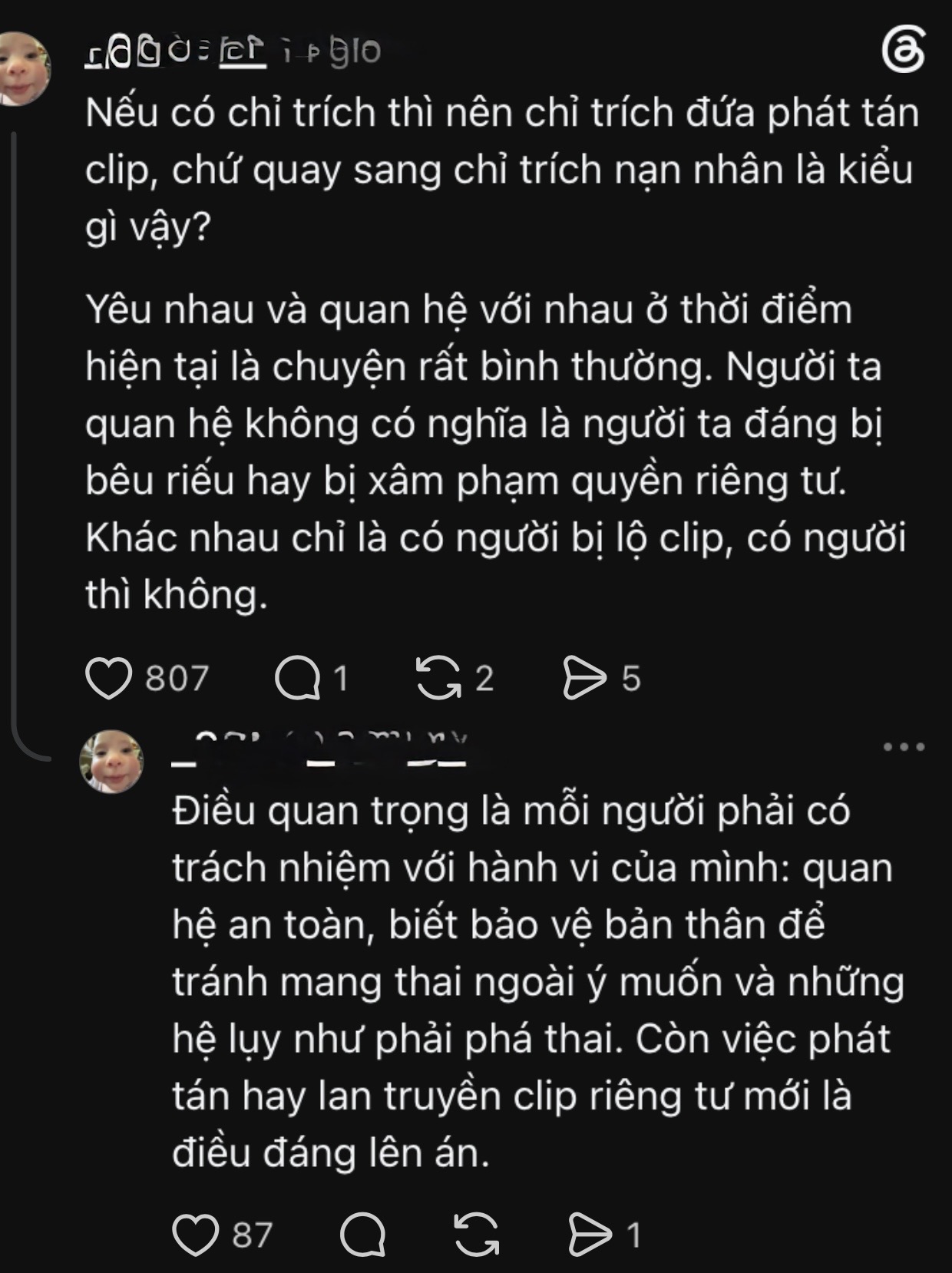
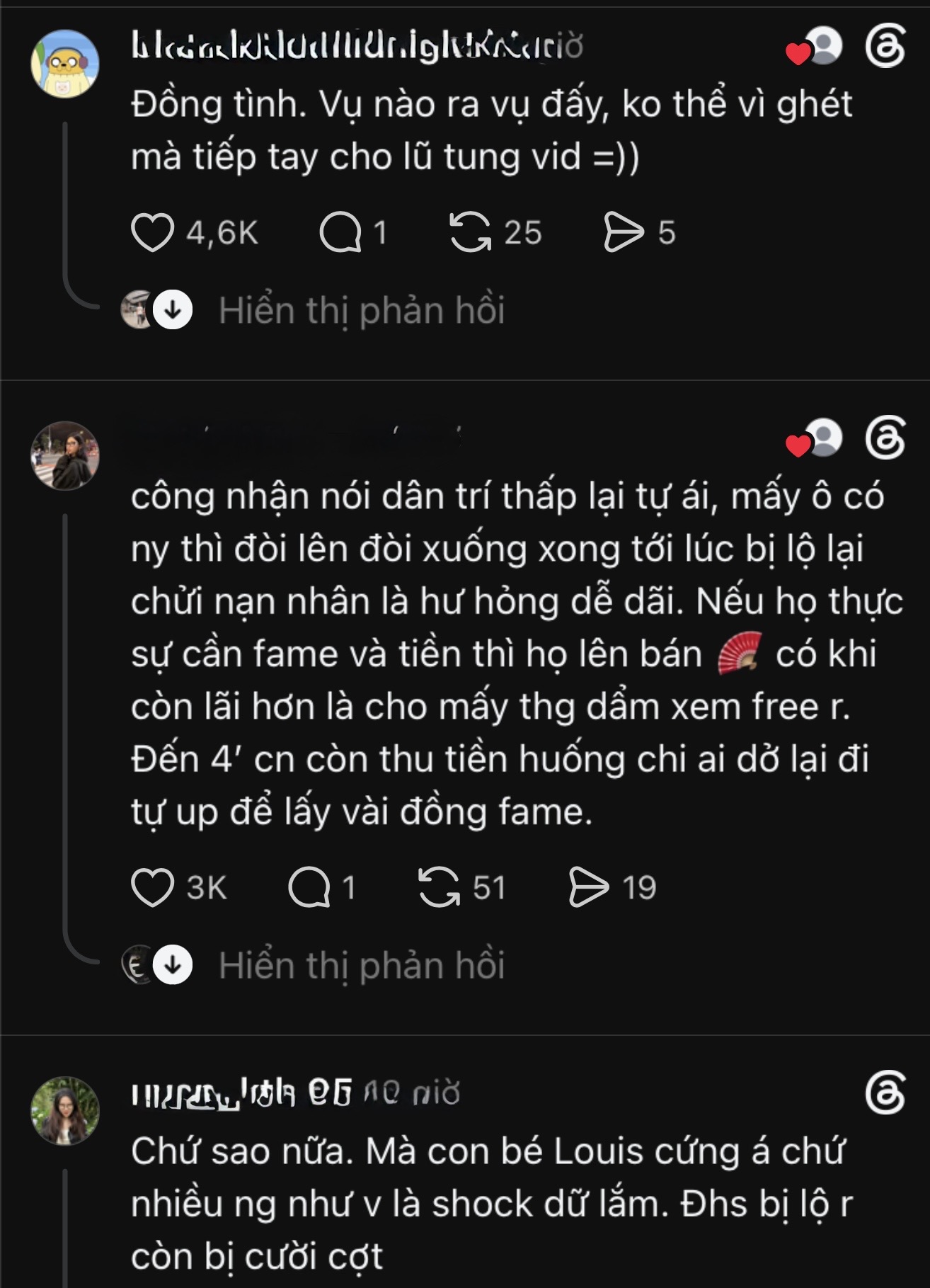
The responsible online community is calling to stop sharing, stop feeding the hype, and report any accounts exploiting the situation for dirty views or clicks. The fact that people stand with victims instead of leakers shows a positive shift in social media users’ awareness, especially among the younger generation, towards respecting the law.
Remembering T.H.L’s Story
When L.P’s case broke, the name T.H.L, a content creator and influencer who faced a similar scandal, was brought up with deep empathy. She also went through a dark time when her private, sensitive images and videos were leaked. Back then, T.H.L endured millions of prying eyes, harsh judgments, and hateful insults from strangers online.

Mentioning T.H.L now isn’t about reopening old wounds but holding up a mirror. It proves that leaked private clips are not isolated incidents and any woman could be the next target if we stay indifferent or tolerate these crimes.
One of the saddest realities online during such scandals is the mocking attitude treating it like “entertainment content” for gossip. Requests for links, suggestive memes, and sexually harassing comments flood posts. Mocking or ridiculing L.P or T.H.L only enables these crimes and normalizes human rights violations. A civilized society cannot be one where a woman’s suffering and humiliation become public amusement.
L.P’s case and T.H.L’s past are costly lessons showing the cruel dark side of technology and human nature online. Behind cold phone screens and clicks are the dignity, future, and lives of real people.
Instead of acting like moral judges or curious voyeurs, we should all take responsibility when using social media: don’t seek out, watch, or share leaked private content, actively report harmful links and groups sharing explicit material, speak up for victims and strongly condemn hacking and illegal privacy breaches.

